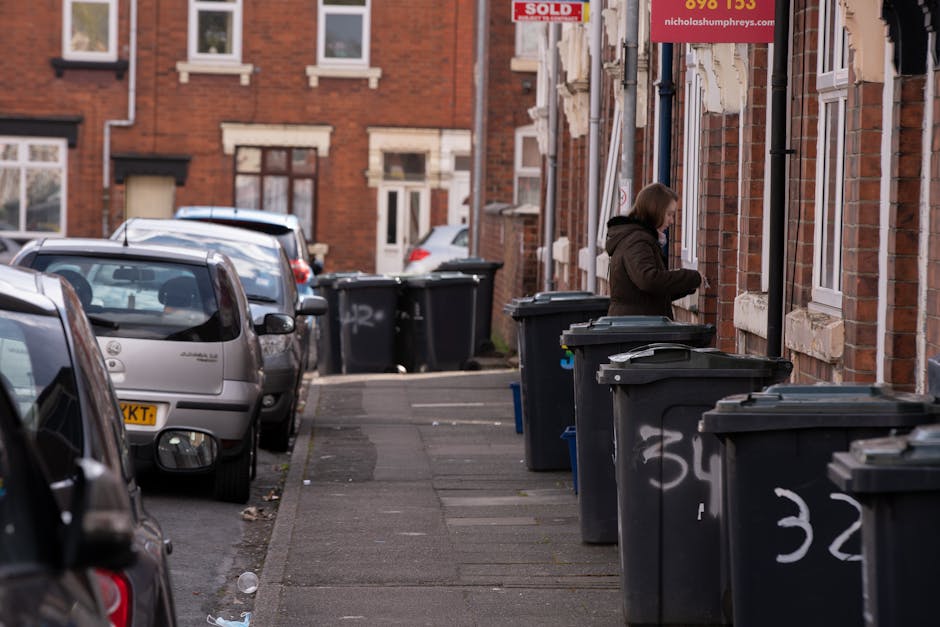
Plaistow Road rubbish collection guide E13
If you live, work, or manage property along Plaistow Road, rubbish has a habit of turning up at the worst possible time. A hallway starts to smell a bit stale, a builders' bag sits outside longer than planned, or the back room fills with broken furniture you meant to sort "next weekend". This Plaistow Road rubbish collection guide E13 is here to make the whole process feel less messy, less uncertain, and a lot more manageable.
Whether you are clearing a flat, dealing with office waste, shifting garden cuttings, or simply trying to understand what should happen to bulky waste in E13, the practical decisions are usually the same: what can go, what should stay separate, how fast do you need it gone, and who is responsible for doing it properly? Let's break it down in plain English.
For readers who need a broader service overview while planning a collection, it can also help to look at waste removal, home clearance, and house clearance as supporting options. They are useful touchpoints if you are comparing what kind of collection best fits your situation.
Table of Contents
- Why Plaistow Road rubbish collection guide E13 Matters
- How Plaistow Road rubbish collection guide E13 Works
- Key Benefits and Practical Advantages
- Who This Is For and When It Makes Sense
- Step-by-Step Guidance
- Expert Tips for Better Results
- Common Mistakes to Avoid
- Tools, Resources and Recommendations
- Law, Compliance, Standards, or Best Practice
- Options, Methods, or Comparison Table
- Case Study or Real-World Example
- Practical Checklist
- Conclusion
- Frequently Asked Questions
Why Plaistow Road rubbish collection guide E13 Matters
Plaistow Road is a busy stretch, and busy streets amplify waste problems quickly. One missed collection, one overfilled front area, or one awkward pile of mixed rubbish can affect access, create visual clutter, and make neighbours understandably unhappy. In a dense part of East London, timing matters. Space is limited. So is patience, to be fair.
A good rubbish collection plan is not just about getting rid of unwanted items. It is about doing it without causing avoidable disruption, without mixing in unsuitable materials, and without leaving yourself with a job half done. That matters whether you are a tenant, landlord, homeowner, shop manager, or contractor.
There is also the practical side. Some waste is straightforward, some needs careful handling, and some should never be placed with general rubbish. If you want a smoother experience, it helps to know which items might require a separate route such as builders waste clearance, fridge and appliance removal, or hazardous waste disposal.
Here's the simple truth: a smarter collection plan saves time, reduces stress, and often reduces the risk of problems later. And on a road like Plaistow Road, that is not a small thing.
How Plaistow Road rubbish collection guide E13 Works
At its core, rubbish collection in E13 usually follows a practical sequence. You identify the waste, decide what type it is, separate anything special, and arrange collection through a method that suits the volume and access at your property. Easy to say, not always easy to do when you are staring at two mattresses, a dismantled wardrobe, and a bag of odd bits from the loft.
For most collections, the process looks something like this:
- You list the items and estimate the amount of waste.
- You check whether anything needs special treatment, such as electrical items, sharp materials, or heavy builders' debris.
- You choose a collection method based on access, speed, and volume.
- The waste is removed, loaded, and taken for sorting or disposal.
- Reusable or recyclable materials are separated where possible.
This is where service choice starts to matter. If you are dealing with mixed household clutter, flat clearance may be more suitable than a simple one-off item removal. If the waste is business-related, business waste removal tends to fit better. For furniture-heavy jobs, furniture clearance or furniture disposal often makes the most sense.
The best collections are planned, not guessed. That sounds obvious. Still, people guess all the time and then wonder why the van is too small or the job takes two visits.
Key Benefits and Practical Advantages
The real value of a well-managed rubbish collection on Plaistow Road is not just tidiness. It is control. Once you have a clear plan, the whole job becomes more predictable.
- Less disruption: rubbish leaves quickly instead of lingering in hallways, front gardens, or shared spaces.
- Better safety: fewer trip hazards, fewer sharp edges, and fewer awkward heavy lifts for residents or staff.
- Cleaner access: important in terraces, flats, and mixed-use buildings where shared entrances matter.
- Better sorting: recyclable or reusable items can be separated more sensibly.
- Less stress: you know what is happening, when it is happening, and what to expect.
There is also a financial angle. Clear planning helps avoid paying for unnecessary repeat visits or oversized collections. If you are comparing options, a quote page such as pricing and quotes can be useful alongside a more general service page like waste removal.
And then there is the hidden benefit people forget: peace of mind. You do not have to keep looking at that pile by the wall every time you walk past the window. That alone can feel like a proper reset.
Who This Is For and When It Makes Sense
This guide is useful for anyone dealing with waste in or around Plaistow Road E13, but certain situations come up again and again.
Homeowners and tenants
If you are moving out, downsizing, rearranging a flat, or dealing with a long-overdue clear out, rubbish collection is often part of the bigger picture. It is especially helpful when items are too large for ordinary bins or when you simply do not want bags sitting around for days.
Landlords and letting agents
Void periods, end-of-tenancy clearances, and left-behind items can become awkward fast. A fast, clean collection keeps the property ready for the next stage without dragging the issue out.
Local businesses
Shops, offices, and small commercial premises can build up packaging, broken fixtures, old furniture, or back-office clutter before anyone notices. That is where office clearance or business waste removal may be more appropriate than a general household arrangement.
Builders and trades
After a refurb or strip-out, rubble, timber, plasterboard offcuts, and packaging can pile up quickly. A dedicated route such as builders waste clearance is often the cleaner option. Mixed waste from construction work is a different beast altogether.
People clearing bulky or awkward items
Think wardrobes, sofas, mattresses, old fridges, garden waste, or boxes of garage clutter. The more awkward the item, the more valuable the right collection method becomes. For some of these, the specialist pages help you see what is involved, such as mattress and sofa disposal or garage clearance.
Step-by-Step Guidance
If you want the process to feel less daunting, follow a simple structure. It sounds almost too basic, but basic is usually what works best.
- Walk through the space first. Do a quick room-by-room or area-by-area check. Loft, hallway, kitchen, shed, backyard, you get the idea.
- Separate obvious categories. Put furniture, general rubbish, electricals, and anything hazardous into their own groups where possible.
- Check access. Can a van stop nearby? Is there a narrow stairwell? Is there lift access? Small details matter more than people expect.
- Estimate volume realistically. A single sofa is not the same as a full flat clear-out. Be honest with yourself here.
- Choose the right service type. General rubbish? Clearance. Mixed domestic items? House or home clearance. Furniture-heavy load? Furniture disposal. Office contents? Office clearance.
- Confirm what should not be included. Keep hazardous materials separate and ask how special items should be handled.
- Prepare the space. Move small items into one place, protect surfaces if needed, and keep pathways clear.
- Schedule collection at a sensible time. Early morning is often easier in busy streets because there is less foot traffic and fewer parking headaches.
If you are arranging collections online, a direct booking page like book online can be a straightforward next step once you know what needs removing. For full-property jobs, house clearance can also be the right fit.
One small but useful tip: take photos before the collection if you are unsure about quantities. It is old-school, but it works. A quick picture on your phone can clear up a lot.
Expert Tips for Better Results
In practice, the best rubbish collections are the ones that are planned around access, item type, and timing. A few expert habits make life easier.
- Keep special items separate: fridges, freezers, paint tins, sharps, and chemicals should not be tucked into general rubbish "just to save time".
- Break down bulky items where safe: flat-pack furniture, cardboard, and lightweight shelving can often be made easier to move.
- Think about weight, not only size: a small pile of rubble can be far heavier than it looks.
- Ask about recycling: if sustainability matters to you, choose a provider that explains how materials are sorted.
- Use the right service for the job: the cheapest-looking option is not always the best one if it cannot handle your waste properly.
There is a quiet efficiency in doing the sorting before the team arrives. You can hear the difference straight away: less shuffling, fewer pauses, fewer "where does this go?" moments. That matters on a busy road.
If you are dealing with furniture specifically, it may help to read up on furniture disposal as well as mattress and sofa disposal. They are common problem items, and they tend to cause the most faff.
Common Mistakes to Avoid
A lot of rubbish collection problems come from the same handful of mistakes. Nothing dramatic, just the usual stuff people do when they are in a rush.
- Mixing everything together: this makes sorting harder and can create avoidable delays.
- Underestimating volume: that "small clear-out" often becomes two van loads once you start opening cupboards.
- Leaving items in the wrong place: if access is tight, a pile in the wrong corner can block the whole job.
- Ignoring hazardous waste: some materials need separate handling and should never be assumed safe.
- Forgetting building waste rules: renovation debris is not the same as domestic rubbish.
- Not checking what is recyclable: throwing everything into one pile can waste recoverable material.
Another common one? People wait until the pile is genuinely annoying, and by then it is harder to sort properly. A little earlier is usually better. Not glamorous, just true.
Tools, Resources and Recommendations
You do not need a van full of equipment to prepare for rubbish collection, but a few basic tools help.
- Heavy-duty bags: useful for mixed lightweight waste and general household clutter.
- Gloves: especially helpful for lofts, garages, and outdoor storage areas.
- Labels or marker pens: good for marking what is to stay, what is to go, and what needs special attention.
- Cardboard boxes or tubs: useful for loose items, papers, and smaller bits that can otherwise scatter.
- Phone camera: ideal for taking photos of large or awkward loads before booking.
From a service perspective, the most useful recommendations are often category-specific. For instance, loft clearance is often best when the issue is long-stored belongings, while garden clearance suits soil bags, branches, and outdoor debris. If the issue is appliances, fridge and appliance removal is a safer route than guessing.
And if you want to understand how a provider thinks about sorting and recovery, recycling and sustainability is worth a look. It tells you a lot about the standard of the operation.
Law, Compliance, Standards, or Best Practice
Waste collection in the UK sits within a framework of legal responsibility and accepted practice. You do not need to become a compliance expert to book a collection, but you do need to be careful. If you hand waste to the wrong person or leave materials where they should not be, the problem can come back to you. That is the bit people sometimes overlook.
Best practice usually means:
- using a provider that can explain how waste is handled;
- keeping hazardous items separate;
- making sure waste goes to a suitable facility;
- avoiding fly-tipping or unverified disposal routes;
- staying clear about what is being collected and from where.
For businesses, the expectations are usually higher because commercial waste often requires better record-keeping and more careful separation. That is why a dedicated business waste removal service can be more appropriate than a casual one-off arrangement. If you are unsure about your items, it is wise to ask before collection rather than after. Saves a lot of grief.
On the safety side, reputable operators should take care with lifting, access, and handling. You can review practical commitments around this through health and safety policy and insurance and safety. Those pages help build trust because they show the service is thinking beyond the van load itself.
Options, Methods, or Comparison Table
Different rubbish problems call for different solutions. Here is a straightforward comparison to help you decide.
| Method | Best for | Strengths | Watch-outs |
|---|---|---|---|
| General rubbish collection | Mixed household waste, bags, small clear-outs | Simple, flexible, quick to arrange | Not ideal for bulky furniture or specialist waste |
| Home or house clearance | Whole-room or whole-property clear-outs | Good for larger, mixed loads | Needs more planning and access checks |
| Furniture clearance / disposal | Sofas, wardrobes, tables, beds | Efficient for bulky items | Can be awkward if items need dismantling |
| Builders waste clearance | Refurb debris, rubble, timber, plasterboard | Suited to renovation waste | Weight and material type matter a lot |
| Loft or garage clearance | Stored clutter and long-forgotten items | Excellent for awkward, dusty spaces | Access and hidden hazards can slow things down |
If you are comparing options, it helps to think less about the label and more about the reality of the load. What exactly are you getting rid of? How much is there? How easy is it to reach? Those three questions do most of the work.
Case Study or Real-World Example
Picture a typical situation on Plaistow Road: a small flat above a shop, a narrow staircase, and a hallway filled with a disassembled bed frame, two broken chairs, a couple of black bags, and a fridge that has been sitting too long. The resident has been meaning to sort it all out for weeks, but every day the pile seems to take up a little more mental space.
The sensible move in that kind of case is not to overcomplicate things. The furniture goes into the furniture route, the appliance is treated separately, and the bags are checked for anything unsuitable before collection. If there is more in the flat than first thought, a fuller flat clearance or home clearance approach may be needed.
What changes the outcome is usually simple preparation. Clear the hallway, identify the fridge, make sure there is a path to the door, and group the loose waste together. The collection feels quicker, the stress drops, and the flat looks like a space again rather than a storage cupboard with ambitions.
That is the goal, really. Not perfection. Just getting the place back to something calm and workable.
Practical Checklist
Use this checklist before arranging rubbish collection on Plaistow Road E13:
- Identify the main waste type: general, furniture, builders, garden, business, or mixed.
- Separate any hazardous or specialist items.
- Estimate quantity as honestly as you can.
- Check access for stairs, lifts, parking, and loading.
- Move small loose items into a single area.
- Take photos if the load is awkward or hard to judge.
- Decide whether you need a clearance service or a simple removal.
- Review whether recycling or donation may apply to any items.
- Confirm timing that works for the property and the street.
- Keep pathways clear so the collection can be done safely and efficiently.
If you are still uncertain after that, that is fine. Most people are. A quick conversation and a few photos usually sort the picture out.
Conclusion
Rubbish collection on Plaistow Road does not have to be complicated, but it does need a bit of thought. The best results come from matching the waste to the right method, separating anything specialist, and planning around access from the start. Once that is in place, the whole job becomes simpler, safer, and much less disruptive.
For some readers, the right answer will be a small one-off removal. For others, it will be a fuller clearance covering furniture, appliances, or room contents. Either way, the important thing is to deal with it properly and move forward without the pile hanging over you another week. Honestly, that moment when the space is finally clear? It feels better than people expect.
Get a free quote today and see how much you can save.
If you want to learn more about the company behind these services, you can also review about us, or if you are ready to move ahead, use contact us to ask a question or discuss your collection.
Frequently Asked Questions
What does a Plaistow Road rubbish collection guide E13 actually cover?
It covers the practical side of clearing rubbish from properties on or near Plaistow Road in E13, including what type of waste you have, how to separate it, and which collection method makes the most sense.
Is rubbish collection the same as house clearance?
Not always. Rubbish collection usually covers general waste or specific items, while house clearance is broader and often involves many rooms or an entire property. If you have a lot to remove, house clearance may be the better fit.
Can I mix furniture with general rubbish?
You can sometimes remove both in one collection if the service accepts mixed loads, but it is often cleaner to group furniture separately. Sofas, wardrobes, and beds may be better handled through furniture clearance or furniture disposal.
What should I do with a fridge or other appliance?
Appliances are best kept separate because they can need special handling. A dedicated fridge and appliance removal service is usually the safer and more organised route.
How do I know if my waste counts as hazardous?
If it includes chemicals, certain liquids, sharp materials, or anything that could create a risk during handling or disposal, treat it cautiously. When in doubt, ask before the collection rather than guessing.
Is builders waste different from normal rubbish?
Yes. Builders waste often includes heavier, dustier, or more restrictive materials such as rubble, timber, and plasterboard. It is usually better handled through builders waste clearance.
What if I only have a few bags of rubbish?
That is still worth arranging if the bags are too much for normal disposal or if you need them gone quickly. A smaller waste removal job can be surprisingly useful, especially in flats with limited storage.
Do I need to sort recyclables myself?
It helps, but it is not always essential. Good providers will sort waste where possible. Still, separating obvious recyclable items beforehand usually makes the process smoother.
How far in advance should I book a collection?
As early as you reasonably can, especially if access is tight or the job involves bulky items. Some small collections can be arranged quickly, but larger ones benefit from a bit of lead time.
What is the best option for a cluttered loft or garage?
For lofts, loft clearance is often the best fit. For garages, garage clearance is usually more suitable because the items tend to be dusty, mixed, and awkward to carry.
How can I make the collection day go faster?
Clear access, group items together, separate special waste, and take away anything you want to keep before the team arrives. It sounds simple, but those small steps make a noticeable difference.
Where can I compare service options and pricing?
A good starting point is pricing and quotes, then match that with the relevant service page such as waste removal, flat clearance, or office clearance depending on the job.
What if I need extra reassurance about safety and handling?
Look for clear information about health and safety policy and insurance and safety. Those details are a good sign that the service takes its responsibilities seriously.