Garden waste removal Plaistow common problems to avoid
If you are dealing with a tangled heap of hedge cuttings, wet soil, broken branches, and a few mystery bags from the back garden, you will know how quickly a simple tidy-up turns into a proper job. That is exactly why Garden waste removal Plaistow common problems to avoid matters: it helps you clear the waste without creating new headaches, extra costs, or avoidable mess. In Plaistow, where gardens can be compact, access can be awkward, and weather turns in a flash, the details really do matter.
This guide walks through the common mistakes people make, how a sensible removal process works, what to check before booking, and the small habits that save time and stress. Let's face it, nobody wants a "quick clear-out" that ends with a blocked passage, a damp hallway, or a collection day that does not go quite to plan.
Table of Contents
- Why Garden waste removal Plaistow common problems to avoid Matters
- How Garden waste removal Plaistow common problems to avoid Works
- Key Benefits and Practical Advantages
- Who This Is For and When It Makes Sense
- Step-by-Step Guidance
- Expert Tips for Better Results
- Common Mistakes to Avoid
- Tools, Resources and Recommendations
- Law, Compliance, Standards, or Best Practice
- Options, Methods, or Comparison Table
- Case Study or Real-World Example
- Practical Checklist
- Conclusion
- Frequently Asked Questions
Why Garden waste removal Plaistow common problems to avoid Matters
Garden waste looks harmless at first. A few bags of grass cuttings here, a broken fence panel there, maybe an old plant pot or two. Then the pile grows. In a neighbourhood like Plaistow, where outdoor space is often limited and side access can be tight, even small mistakes can turn into genuine hassle very quickly.
The biggest reason to think ahead is simple: garden waste is bulky, often damp, and surprisingly heavy. Fresh hedge trimmings are light enough on their own, but once they get wet, they become awkward to move. Soil, turf, roots, and branches all behave differently too. Mix them badly and you can end up with a load that is harder to carry, pricier to dispose of, and less likely to be recycled properly.
There is also the time factor. A half-planned removal job usually takes longer than people expect. You may need bags, gloves, access clearances, and a decent idea of what the waste actually contains. Miss one of those pieces and the whole thing drags. Not tragic, just annoying. And annoying is expensive if you have booked a crew or hired a vehicle.
Another reason this matters is responsibility. Once waste leaves your property, you still want confidence it is being handled correctly. That means using a provider who understands sorting, recycling, and sensible disposal routes. If you are comparing broader property clearance options too, services such as waste removal and garden clearance can help you see how the job may be approached alongside mixed household or outdoor waste.
Practical takeaway: the main problems in garden waste removal are rarely dramatic. They are the small, ordinary things: poor sorting, bad access, wet loads, unclear pricing, and missing disposal rules. Avoid those, and the rest becomes much easier.
How Garden waste removal Plaistow common problems to avoid Works
In plain English, garden waste removal usually follows a fairly straightforward pattern. First, the waste is assessed. Then it is separated into sensible groups. After that, it is collected, loaded, transported, and taken for the right sort of processing or disposal. The more organised the waste is before collection, the smoother the day goes.
Typical garden waste includes grass, leaves, hedge trimmings, branches, weeds, plants, bark, soil, turf, and sometimes old garden fixtures such as broken planters or worn-out timber. Not everything can go in the same load without thought. For example, heavy soil and green cuttings may be treated differently from treated wood or mixed rubbish.
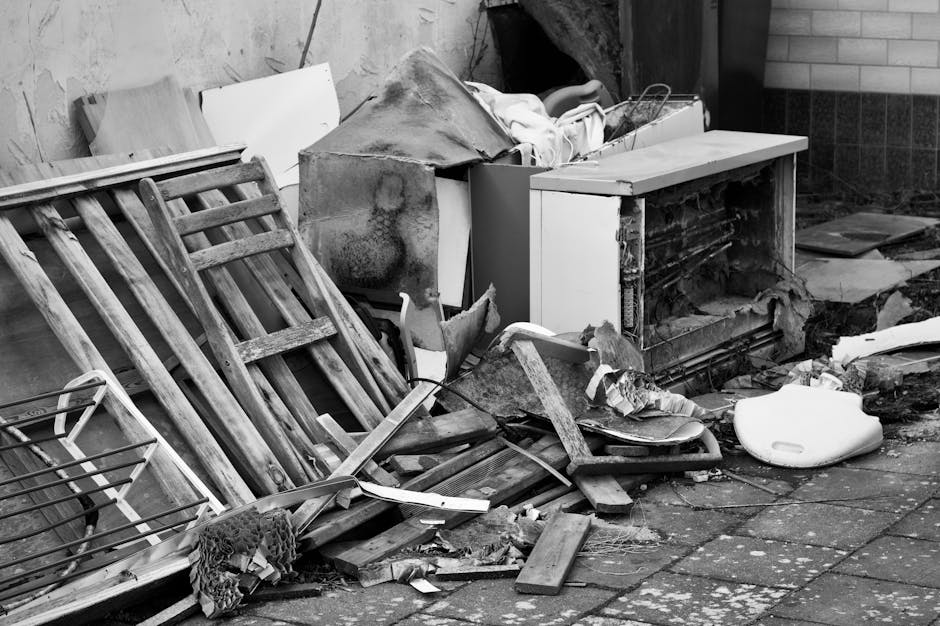
That is where the common problems begin. People often assume garden waste is "just green stuff". In reality, it may include compostable material, general rubbish, or items that need special handling. A rusty barbecue, a broken slab, or a bag of old plant feed can change the process more than you might expect. A quick sort before collection saves a lot of back-and-forth later.
Access also shapes the job. In some Plaistow homes, you might be moving waste from the back garden through the house, down steps, or around parked cars. The route matters. If it is muddy after rain or narrow by design, careful planning becomes just as important as the actual lifting. Truth be told, a ten-minute check of the route can spare a thirty-minute slog.
If you are weighing up removal versus a skip-style approach, it can help to understand what can be loaded in different ways. This guide to what can go in a skip is useful if your project includes heavier or mixed material, even if you eventually choose a different collection method.
Key Benefits and Practical Advantages
A properly handled garden clearance job does more than make the space look tidy. It reduces clutter, prevents pest issues, and makes future garden work less of a faff. That matters if you are planning a redesign, preparing a property for sale, or just trying to get the patio back before the weekend barbecue.
The practical advantages are often felt fastest:
- Less physical strain: no need to drag damp bags and thorny cuttings across the property alone.
- Cleaner outdoor space: you get rid of the smell, the mess, and the trip hazards in one go.
- Better recycling outcomes: separated green waste is usually easier to process responsibly.
- Fewer delays: an organised removal takes less time than a repeated DIY trip to a disposal point.
- Reduced neighbour friction: no heap sitting out front for days, which people notice, especially on busy streets.
There is also the mental lift. That sounds a bit soft, maybe, but it is real. A cleared garden changes the feel of a home. You step outside and suddenly you can hear birds again, or at least the normal sounds of the street rather than the rustle of dead branches in a corner. Small win, but a real one.
If your project includes other bulky household items left near the garden or in outbuildings, related services like furniture clearance and garage clearance can be helpful for wider decluttering jobs.
Who This Is For and When It Makes Sense
This kind of removal makes sense for a wide mix of people. Homeowners with overgrown gardens are the obvious group, but they are far from the only ones. Landlords, tenants ending a tenancy, letting agents, property managers, and small businesses with outdoor areas all run into the same basic issue: garden waste accumulates fast, and it rarely sorts itself out.
It is especially relevant if:
- you have pruned hedges, shrubs, or small trees
- you have dug up soil or turf during landscaping
- you need to clear a back garden before new work starts
- you are dealing with seasonal clean-ups after storms or heavy growth
- you want to avoid loading waste into a car several times
- you need the garden cleared without disturbing the rest of the property
It also makes sense when timing matters. If a tenant is moving out in two days, if a gardener has left waste behind, or if a weather window opens up for garden works, you may need removal quickly rather than "sometime next week". That urgency is common in London. Busy schedules, small spaces, and a bit of rain, and suddenly the job cannot wait.
Commercial properties with courtyards or outdoor planting beds also benefit. Staff rarely want to deal with soggy bags of trimmings beside the bins. To be fair, neither does anybody else.
Step-by-Step Guidance
If you want a smoother removal, follow a simple process. It does not need to be fancy. Just sensible.
1. Identify the waste properly
Walk through the garden and separate the material into rough groups: green cuttings, branches, soil, roots, mixed rubbish, and anything sharp or awkward. This matters because a bag of grass cuttings is not the same as a pile of wet turf or a bundle of thorny stems.
2. Remove non-garden items
Take out items that are not really garden waste: broken furniture, old paint tins, building rubble, bags of general rubbish, or electricals. If you are not sure, pause and check. It is much easier to sort before the load is in the van than after, when everyone is already stood there with tired arms and that "well, now what?" look.
3. Make access clear
Open gates, move bins, unlock side passages, and make sure there are no toys, hoses, or ornaments in the way. If the route goes through a house, protect floors and be realistic about the space. A little preparation makes a huge difference here.
4. Bag or bundle where sensible
Use strong sacks or tie branches into manageable bundles. Do not overfill bags. It seems efficient at the time, then the bottom splits and you are sweeping the pavement at half past seven. Not ideal.
5. Check the collection plan
Agree the pickup time, access details, and what will happen with any mixed material. If you have soil, roots, or treated timber, mention that in advance. Clear communication avoids awkward surprises on the day.
6. Confirm sorting and disposal approach
A reputable provider should be clear about what can be recycled, what must be diverted elsewhere, and what may incur extra handling. You do not need to become a waste expert overnight, but you should know the basics.
7. Do a final sweep
Once the waste is gone, check corners, borders, and under shrubs for stray ties, shards, or fragments of plastic. Those small leftovers are easy to miss. Then, thankfully, you are done.
Expert Tips for Better Results
One of the best tips is also the least exciting: keep waste streams separate. Green cuttings, timber, soil, and general rubbish behave differently. When they are mixed together, the whole load becomes harder to manage. That is where costs can creep up, and where recycling opportunities start to shrink.
Another helpful habit is to clear from the back forward. If you start nearest the exit and work inward, you may trap yourself with the final pile in the hardest-to-reach spot. It sounds obvious when written down. In practice, people still do it all the time.
Weather matters too. Garden waste left in the rain gets heavier, smellier, and more awkward. If you have a choice, aim for a dry window. Even a mild breeze can help dry grass cuttings enough to make handling easier. Early morning can be useful before the heat builds up, and before the garden gets trampled by everyone else in the household.
A few more expert habits:
- trim long branches before collection instead of leaving them at full length
- keep thorny cuttings visible so nobody reaches in bare-handed
- store bags on hard ground if possible, not soft lawn
- label anything unusual, such as mixed waste or contaminated material
- avoid leaving waste piled too long, especially in warm weather
If the job sits alongside wider home decluttering, a broader service such as home clearance may fit better than treating the garden in isolation. That can be useful where the shed, loft, and outside space are all part of the same tidy-up.
Common Mistakes to Avoid
This is the section that saves the most trouble, honestly. The problems are usually predictable, which is why they are so avoidable.
Mixing garden waste with household rubbish
It happens all the time. A few old bags, some packaging, a cracked pot, perhaps a broken mop handle. The load looks harmless, but mixed waste is harder to sort and may create extra charges or disposal complications.
Underestimating weight
Wet soil and turf are heavy. Really heavy. A bag that seemed fine at first can be awkward to lift, and a few of those bags add up quickly. If you are doing any lifting yourself, make conservative estimates.
Leaving access issues until the last minute
We have all done it. The collection day arrives, and suddenly the side gate is stuck, the path is blocked, or the key is in the wrong drawer. It sounds small, but it can delay the job or make it more expensive.
Ignoring sharp or hidden hazards
Broken canes, wire, nails in timber, and jagged edging can lurk under leaves and trimmings. Gloves help, but careful sorting helps more. That one is easy to forget when you are keen to finish.
Booking the cheapest option without checking what is included
Low prices can be fine, but only if the scope is clear. Does the quote include loading, labour, disposal, and sorting? What about soil, timber, or mixed waste? Ask before the van turns up.
Waiting too long after pruning
Fresh cuttings can be manageable. Left for weeks, they compact, decay, and become more unpleasant to move. The garden starts to look "temporarily storage-like", which is rarely the aim.
Forgetting about nearby neighbours or shared access
In some parts of Plaistow, shared pathways or tight front access mean a job can affect more than one household. A bit of courtesy goes a long way. Tell people if the path needs to stay clear for a short window.
Tools, Resources and Recommendations
You do not need a full workshop to manage garden waste properly, but a few basic tools make the job cleaner and safer.
| Item | Why it helps | Practical note |
|---|---|---|
| Heavy-duty sacks | Contain cuttings and smaller green waste | Do not overfill; wet material gets heavy fast |
| Gardening gloves | Protect hands from thorns, splinters, and hidden debris | Choose sturdy gloves, not thin fabric ones |
| Secateurs or loppers | Cut branches down to manageable size | Much easier than forcing oversized stems into bags |
| Tarpaulin | Keeps waste off paths and makes loading simpler | Useful on damp days or when sorting on a patio |
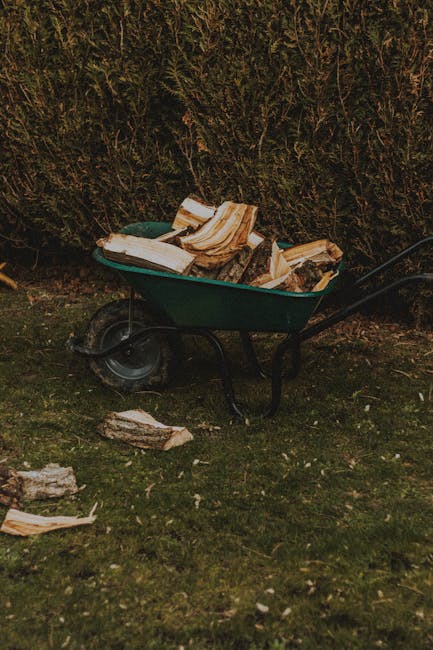
| Wheelbarrow or tub trug | Moves heavier loads without too much strain | Best for soil, roots, or repeated trips |
| Labels or marker pen | Helps identify mixed or special items | Handy if several people are helping |
It also helps to keep one simple sorting zone. A tarp, old sheet, or hardstanding area is enough. Once waste is spread out, you can decide what is green waste, what is timber, and what does not belong. That little bit of order saves a surprising amount of time.
If your project includes mixed household items or you are comparing disposal routes, you may also find pricing and quotes useful when trying to understand what affects the final cost. For customers who want a flexible booking route, book online can be a convenient next step once the scope is clear.
Law, Compliance, Standards, or Best Practice
Garden waste removal is not something most people think of as "regulated" in everyday conversation, but best practice still matters. In the UK, waste should be handled responsibly, sorted sensibly, and taken to appropriate facilities. If a provider is involved, it should be clear that waste is not being dumped or handled carelessly.
For you as the customer, the safest approach is simple: know what is in the load, be honest about any mixed or unusual material, and use a provider that can explain their process in plain English. If you are disposing of anything beyond ordinary garden clippings, such as treated timber, construction leftovers, or potentially hazardous material, ask first rather than assuming it is fine.
It is also good practice to keep a paper trail if the job is part of a rental, letting, or commercial property matter. That might mean keeping a quote, invoice, or job confirmation for your own records. Nothing dramatic, just tidy. And tidy records save time when someone asks later, "who cleared that, and when?"
On the provider side, sensible standards include clear pricing, safe lifting practices, proper PPE, and responsible disposal routes. Services that publicly explain their safety and handling approach, such as health and safety policy, insurance and safety, and recycling and sustainability, can give a useful indication of how seriously the work is taken.
If the waste is contaminated, sharp, or otherwise unusual, do not guess. That is where mistakes get expensive and, frankly, a bit silly. Better to ask than to improvise.
Options, Methods, or Comparison Table
There are a few practical ways to deal with garden waste in Plaistow. The right option depends on volume, access, time, and how mixed the waste is. Here is a straightforward comparison.
| Method | Best for | Strengths | Possible drawbacks |
|---|---|---|---|
| DIY bagging and local disposal | Very small loads | Low upfront spend, full control | Time-consuming, physical effort, multiple trips |
| Skip hire | Larger or mixed garden jobs | Good for volume, useful for heavier waste | Needs space, can be awkward on tight streets |
| Man and van clearance | Medium to large loads with tight access | Fast, labour included, good for awkward carrying | Costs vary, load must be described accurately |
| Scheduled garden tidy-up with removal | Routine maintenance waste | Convenient for repeated clearances | May need advance planning |
For many Plaistow households, a van-based clearance is the sweet spot. It avoids the hassle of skip permits and the labour of endless car trips, especially where parking is tight. Still, if you are already doing structural work in the garden, a skip might make more sense. The trick is to match the method to the mess, not the other way round.
Case Study or Real-World Example
A typical local example goes like this. A small back garden has been left unchecked through the wet months. By late spring, there is a mixed pile of hedge cuttings, turf, an old planter, and a couple of torn bags of soil. The homeowner thinks it will be a quick hour's work. In reality, the waste is heavier than expected, the side access is narrow, and the bags split as soon as they are moved.
What changed the job was not brute force. It was sorting. Once the branches were bundled, the soil separated, and the broken planter removed from the green waste, the job became manageable. The route through the house was protected, the wet material was loaded first, and the final sweep took only a few minutes. It sounds boring. That is the point. Good removal is usually boring in the best possible way.
The homeowner got the garden back in one visit, avoided four separate car journeys, and was able to start a small planting project the following weekend. No drama, no mystery. Just clear ground and a fresh start.
Practical Checklist
Use this before any garden waste collection or clearance job:
- Separate green waste from general rubbish
- Remove soil, turf, timber, and broken items if they need different handling
- Clear gates, paths, and access routes
- Check for sharp objects, wire, nails, or hidden debris
- Bag or bundle waste in manageable amounts
- Confirm whether the load includes mixed or heavy material
- Ask about recycling and disposal routes
- Protect floors if waste must pass through the property
- Keep neighbours or shared occupants informed if access will be affected
- Do a final sweep of borders, corners, and under shrubs
Quick self-check: if the pile is wet, mixed, or awkward to carry, it usually needs more planning than you first think. That is normal. Just don't pretend it will magically sort itself out by Saturday afternoon.
Conclusion
Garden waste removal in Plaistow is rarely difficult because of one huge problem. It is usually the accumulation of small ones: wet loads, poor sorting, awkward access, mixed waste, and unclear disposal plans. Once you know what to avoid, the whole task becomes much more manageable.
The main idea is simple. Sort first, move safely, keep access clear, and choose the right method for the amount and type of waste you have. If you do that, you are far less likely to deal with delays, surprise charges, or a job that somehow takes over the whole day.
Get a free quote today and see how much you can save.
And if the pile still looks daunting, that is all right. A clear plan has a way of making even the messiest garden feel a lot less heavy.
Frequently Asked Questions
What counts as garden waste in Plaistow?
Garden waste usually includes grass cuttings, leaves, hedge trimmings, branches, weeds, plants, and similar organic material. Soil, turf, roots, timber, and broken garden items may be treated differently, especially if they are mixed with general rubbish.
What are the most common problems to avoid with garden waste removal?
The biggest problems are mixing waste types, underestimating weight, poor access, leaving sharp debris hidden in the pile, and booking a service without checking what is included. Those are the little things that make a simple job messy.
Can I put all garden waste into one pile?
You can gather it together, but it is better to separate it into rough groups before collection. Green waste, soil, timber, and mixed rubbish may need different handling, so a single pile is only useful if you know what is in it.
Is wet garden waste harder to remove?
Yes, very much so. Wet cuttings and soggy leaves are heavier, bulkier, and more awkward to carry. Wet soil and turf can also add a surprising amount of weight, which is why dry weather or prompt removal helps.
Do I need a skip for garden waste?
Not always. A skip can be useful for larger projects or heavier mixed waste, but many smaller garden jobs are easier with a van-based collection. The best choice depends on space, access, and how much waste you have.
How can I reduce the cost of garden waste removal?
Sort the waste properly, keep it accessible, and remove items that do not belong in the garden waste load. A clear description of the job also helps avoid surprise charges. Messy loads and unclear scope tend to cost more, which is fair enough.
What if my garden waste includes soil and roots?
Soil and roots can be heavy and may not be handled the same way as light green cuttings. Mention them in advance so the removal plan matches the load. If the amount is large, it may affect pricing and collection method.
Can I leave garden waste on the pavement until collection?
It is better not to do that unless you know the arrangement is permitted and safe. Waste left in public view can cause obstruction or complaints, and wet bags or loose cuttings can spread quickly in windy weather.
How quickly can garden waste be removed?
That depends on the size of the job, access, and how well the waste is prepared. Small and straightforward collections can be quite fast, while mixed or bulky loads take longer. If timing matters, say so early.
What should I ask before booking a garden waste removal service?
Ask what types of waste are included, whether labour and disposal are covered, how heavy or mixed loads are handled, and whether there are any access requirements. A good provider should answer clearly, without vague language or fuss.
Can garden waste be recycled?
Often, yes. Many types of green waste can be processed separately, which is one reason sorting matters so much. The exact route depends on the material, but cleaner loads usually give more recycling options.
What is the safest way to handle thorny or sharp garden waste?
Use strong gloves, bundle branches carefully, and keep sharp material visible rather than buried under loose cuttings. If anything looks hazardous or unusually awkward, do not force it into a bag just to finish quicker.
Contact us if you want to talk through a garden clearance that feels a bit too big, too mixed, or too fiddly for a simple do-it-yourself job.